Scams come in many forms, and understanding their types can help you recognise and avoid them. This list will be continuously updated.
Unexpected Money
Inheritance scams
These scams offer you the false promise of an inheritance to trick you into parting with your money or sharing your bank or credit card details.
Rebate scams
Reclaim scams try to convince you that you are entitled to a rebate or reimbursement from the government, a bank or trusted organisation.
Nigerian scams
Nigerian scams involve offering you a share in a large sum of money on the condition you help them to transfer it out of their country.
Unexpected Winnings
Unexpected prize and lottery scams
Unexpected prize and lottery scams work by asking you to pay some sort of fee in order to claim your prize or winnings from a competition or lottery you never entered.
Travel prize scams
Travel prize scams are attempts to trick you into parting with your money to claim a ‘reward’ such as a free or discounted holiday.
Scratchie scams
Scratchie scams take the form of fake scratchie cards that promise some sort of prize, on the condition that the ‘winner’ pays a collection fee.
Fake Charities
Fake charities scams
Scammers impersonate genuine charities and ask for donations or contact you claiming to collect money for relief efforts after natural disasters.
Dating & Romance
Dating & romance scams
Scammers take advantage of people looking for romantic partners, often via dating websites, apps or social media by pretending to be prospective companions. They play on emotional triggers to get you to provide money, gifts or personal details.
Buying or Selling
Classifieds scams
Classified scams trick buyers or sellers into thinking they are dealing with a legitimate contact but it is actually a scammer.
Overpayment scams
Overpayment scams work by getting you to ‘refund’ a scammer who has sent you a cheque for too much money for an item you are selling.
Health & medical products
Health and medical product scams may sell you healthcare products at low prices that you never receive, or make false promises about their ‘cure-all’ products, medicines and treatments.
False billing
False billing scams request you or your business to pay fake invoices for directory listings, advertising, domain name renewals or office supplies that you did not order.
Online shopping scams
Online shopping scams involve scammers pretending to be legitimate online sellers, either with a fake website or a fake ad on a genuine retailer site.
Psychic & clairvoyant
Psychic and clairvoyant scams are designed to trick you into giving away your money, usually offering ‘help’ in exchange for a fee.
Mobile premium services
Scammers create SMS competitions or trivia scams to trick you into paying extremely high call or text rates when replying to an unsolicited text message on your mobile or smart phone.
Investment Scams
Investment scams
Investment scams involve getting you or your business to part with money on the promise of a questionable financial opportunity.
Betting and sports investment scams
Betting and sports investment scams try to convince you to invest in ‘foolproof’ systems and software that can ‘guarantee’ you a profit on sporting events.
Jobs & Employment
Jobs and employment scams
Jobs and employment scams trick you into handing over your money by offering you a ‘guaranteed’ way to make fast money or a high-paying job for little effort.
Pyramid schemes
Pyramid schemes are illegal and very risky ‘get-rich-quick’ schemes that can end up costing you a lot of money.
Attempts To Gain Your Personal Information
Identity theft
Identity theft is a type of fraud that involves using someone else’s identity to steal money or gain other benefits.
Phishing
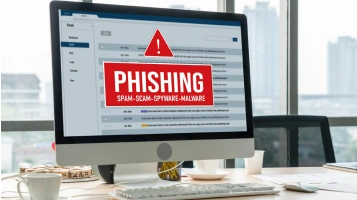
Phishing scams are attempts by scammers to trick you into giving out your personal information such as your bank account numbers, passwords and credit card numbers.
Hacking
Hacking occurs when a scammer gains access to your personal information by using technology to break into your computer, mobile device or network.
Remote access scams
Remote access scams try to convince you that you have a computer or internet problem and that you need to buy new software to fix the problem.
Threats & Extortion
Malware & ransomware
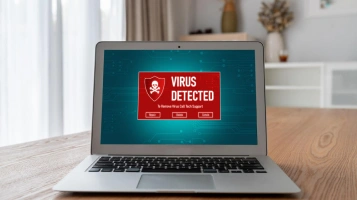
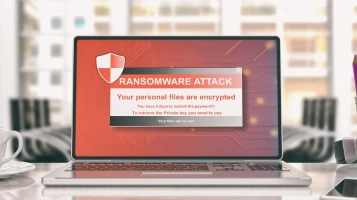
Malware tricks you into installing software that allows scammers to access your files and track what you are doing, while ransomware demands payment to ‘unlock’ your computer or files.
Threats to life, arrest or other
Threats to life, arrest or other involve a scammer using threats to scare you into paying money, such as for outstanding bills or debts that you supposedly owe.